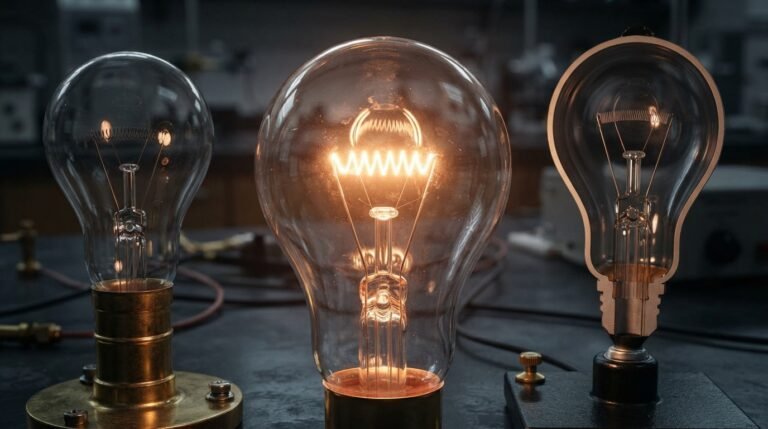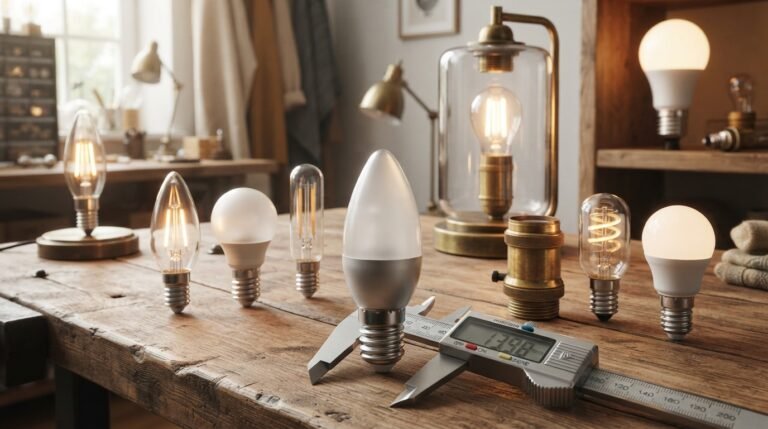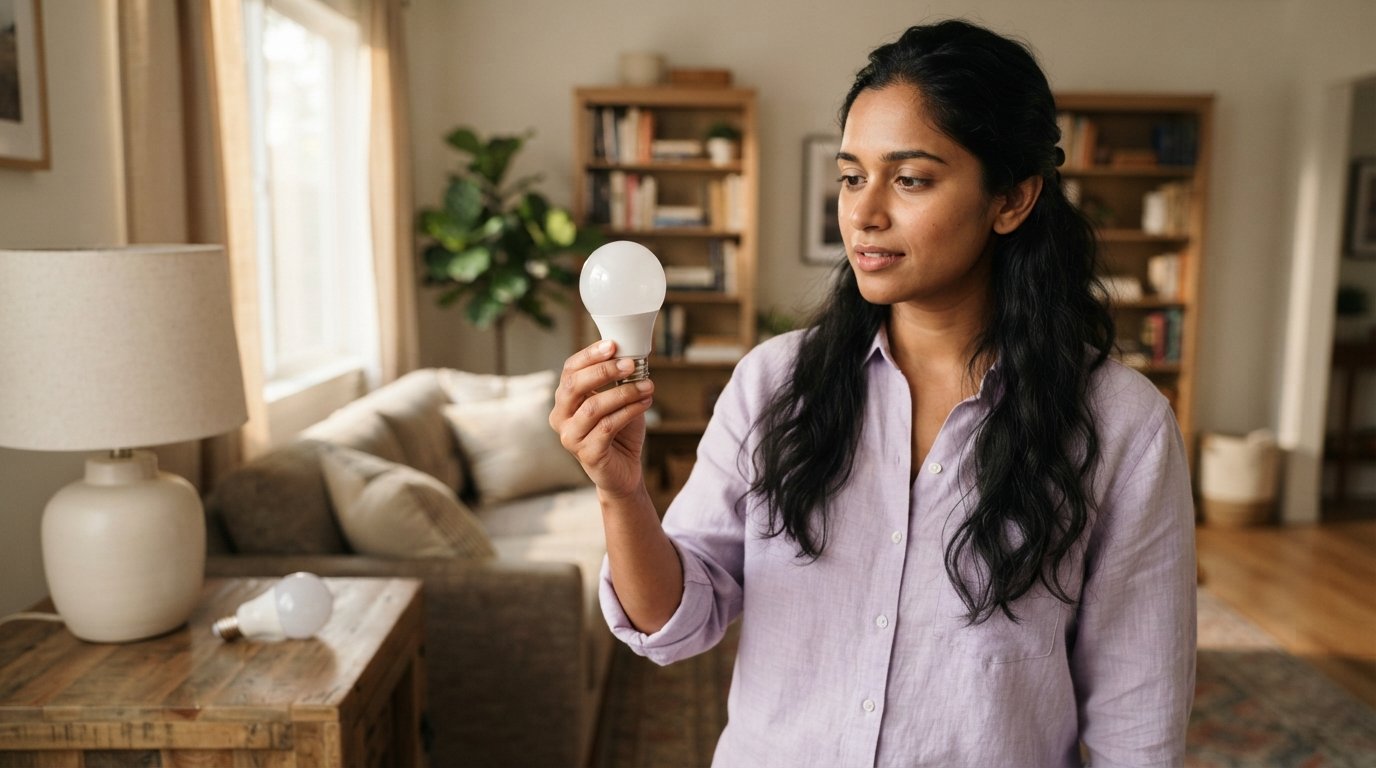
A Type A bulb is one of the most common household light bulb shapes. Its familiar rounded design makes it suitable for lamps, ceiling fixtures, pendant lights, wall fixtures, and many other lighting applications.
When shopping for a replacement, however, the term “Type A” describes the shape of the bulb, not necessarily its base size, wattage, brightness, or technology. Understanding these differences can help you choose the right bulb for your fixture.
This guide explains what a Type A bulb is, the different types available, common sizes, LED options, wattage, brightness, color temperature, compatibility, and how to replace one safely.
What Is a Type A Bulb?
A Type A light bulb is a bulb with a traditional rounded or pear-shaped profile. The “A” designation refers primarily to the bulb’s shape.
The most familiar example is the standard household bulb commonly identified as an A19 bulb.
Type A bulbs can be manufactured using different lighting technologies, including:
- Incandescent
- Halogen
- CFL
- LED
Because “Type A” describes the shape rather than the complete specifications, you need to check other details before purchasing a replacement.
What Does the “A” Mean in a Light Bulb?
The letter in a bulb designation generally identifies its shape.
For example:
- A = traditional bulb shape
- B = bullet or candle-style shape
- C = conical or candle-style shape
- G = globe shape
- PAR = parabolic aluminized reflector design
The number following the letter usually indicates the approximate bulb diameter in eighths of an inch in common North American naming conventions.
For example, an A19 bulb is approximately 19 eighths of an inch in diameter, or about 2.375 inches.
What Is an A19 Bulb?
An A19 bulb is one of the most common examples of a Type A light bulb.
The bulb has a rounded shape and is widely used in household fixtures.
A19 bulbs are available in different technologies and specifications, including:
- LED A19
- Incandescent A19
- Dimmable A19
- Non-dimmable A19
- Warm-white A19
- Daylight A19
- Smart A19 bulbs
The A19 designation tells you about the bulb’s shape and size, but you should still verify the base and electrical specifications before installing it.
What Is an A21 Bulb?
An A21 bulb is another Type A bulb, but it is larger than an A19.
The A21 shape is also rounded and commonly used for general-purpose household lighting.
A21 bulbs can provide more physical space for internal components and are available in LED and other lighting technologies.
When replacing an A21 bulb, check whether the fixture has enough space for its larger diameter.
A19 vs. A21 Bulb
The most noticeable difference between A19 and A21 bulbs is their size.
| Feature | A19 | A21 |
|---|---|---|
| Shape | Type A | Type A |
| Approximate diameter | 2.375 inches | 2.625 inches |
| Common use | Household lamps and fixtures | Larger household fixtures |
| LED availability | Very common | Very common |
| Base | Often E26 in North America | Often E26 in North America |
Both can be used for general lighting, but the fixture must have enough room for the bulb.
What Is an E26 Base?
An E26 base is the threaded electrical base commonly found on household light bulbs in the United States and Canada.
The “E” refers to the Edison screw design, while “26” refers to the approximate base diameter in millimeters.
This is different from the bulb’s shape designation.
For example, a bulb can be:
A19 + E26
Here:
- A19 describes the bulb shape and size.
- E26 describes the screw base.
This distinction is important when buying a Type A bulb replacement.
Are All Type A Bulbs the Same Size?
No.
Type A bulbs can have different sizes, including A15, A17, A19, A21, and other variations.
The number helps identify the bulb’s approximate diameter.
Always check the existing bulb and fixture specifications before choosing a replacement.
What Is an A15 Bulb?

An A15 bulb is a smaller Type A bulb than an A19.
A15 bulbs are often used in applications where a smaller bulb is preferred, including:
- Appliance lighting
- Ceiling fans
- Decorative fixtures
- Small lamps
- Utility fixtures
The exact application depends on the fixture’s size and electrical specifications.
What Is a Type A LED Bulb?
A Type A LED bulb combines the traditional Type A shape with LED lighting technology.
LED Type A bulbs are popular because they can provide the same general-purpose bulb shape while consuming less electricity than traditional incandescent bulbs.
Common features include:
- Lower energy consumption
- Long operating life
- Instant illumination
- Multiple color temperatures
- Dimmable options
- Smart-home compatibility on selected models
When choosing an LED replacement, compare brightness in lumens rather than relying only on wattage.
What Wattage Does a Type A Bulb Use?
Type A bulbs are available in many wattages.
Traditional incandescent bulbs may commonly use wattages such as 40W, 60W, or 100W.
LED bulbs typically use significantly fewer watts to produce comparable brightness.
For example, an LED bulb using around 8–10 watts may provide brightness comparable to a traditional 60-watt incandescent bulb, depending on the specific product.
Always follow the maximum wattage or fixture requirements printed on the fixture.
How Bright Is a Type A Bulb?
Brightness is measured in lumens, not watts.
Watts measure electrical power consumption, while lumens describe the amount of visible light produced.
Typical household lighting needs may include:
- Around 450 lumens for softer general lighting
- Around 800 lumens for brighter everyday lighting
- Around 1,100–1,600 lumens for larger or brighter applications
The ideal brightness depends on the room, fixture, and intended use.
What Color Temperature Should You Choose?
Type A bulbs are available in different color temperatures.
Warm White
Typically around 2700K, warm white creates a soft, yellowish appearance.
It works well in:
- Bedrooms
- Living rooms
- Dining rooms
- Bedrooms
- Relaxing spaces
Neutral or Soft White
Around 3000K–4000K, depending on the product, this range provides a more balanced appearance.
Daylight
Often around 5000K or higher, daylight bulbs produce a cooler, whiter appearance.
They can be useful for:
- Garages
- Work areas
- Offices
- Utility rooms
- Task lighting
Are Type A Bulbs Dimmable?
Some Type A bulbs are dimmable, while others are not.
If you plan to use a bulb with a dimmer switch, make sure the bulb specifically states that it is dimmable and that it is compatible with the installed dimmer.
Using an incompatible LED bulb with a dimmer can cause:
- Flickering
- Buzzing
- Poor dimming performance
- Failure to turn on properly
How Long Does a Type A LED Bulb Last?
LED Type A bulbs generally have a significantly longer rated life than traditional incandescent bulbs.
The actual lifespan depends on:
- Operating temperature
- Usage hours
- Electrical conditions
- Product quality
- Fixture design
- Ventilation
Check the manufacturer’s rated lifespan for the specific bulb rather than assuming every LED bulb has the same service life.
Where Are Type A Bulbs Used?
The versatility of the Type A shape makes it suitable for many household applications.
Table Lamps
A19 bulbs are commonly used in table and floor lamps.
Ceiling Fixtures
Many ceiling fixtures use standard Type A bulbs.
Pendant Lights
Type A bulbs can provide general illumination in compatible pendant fixtures.
Wall Sconces
Depending on the design, Type A bulbs can be used in wall-mounted fixtures.
Ceiling Fans
Smaller Type A bulbs, such as A15 models, may be used in certain ceiling fans.
Outdoor Fixtures
Some enclosed outdoor fixtures can accept Type A bulbs if the bulb and fixture are rated appropriately for outdoor use.
How Do You Choose the Right Type A Bulb?
Before buying a Type A bulb, check several specifications.
1. Bulb Shape and Size
Determine whether you need A15, A19, A21, or another size.
2. Base Type
Verify that the base matches your fixture, such as E26 or another compatible base.
3. Voltage
Choose a bulb designed for the electrical voltage supplied by your fixture.
4. Brightness
Use lumens to determine the desired light output.
5. Color Temperature
Choose warm white, neutral white, or daylight according to the room and purpose.
6. Dimming
If using a dimmer, purchase a bulb specifically rated for dimming.
7. Fixture Compatibility
Check the fixture’s maximum wattage, enclosure requirements, and other specifications.
How to Replace a Type A Bulb
Replacing a standard Type A bulb is usually straightforward.
Step 1: Turn Off the Light
Switch off the fixture and allow the existing bulb to cool.
Step 2: Remove the Old Bulb
For a screw-base bulb, carefully turn it counterclockwise.
Do not apply excessive force.
Step 3: Check the Socket
Inspect the socket for visible damage, corrosion, or debris.
Step 4: Install the New Bulb
Insert the replacement bulb and turn it clockwise until it is secure.
Do not overtighten.
Step 5: Turn the Fixture On
Restore power and check that the new bulb works correctly.
If the bulb does not illuminate, switch the fixture off and check the connection and compatibility.
Why Is My Type A Bulb Flickering?
A flickering Type A bulb can have several causes.
Possible reasons include:
- Loose bulb
- Loose electrical connection
- Incompatible dimmer
- LED driver issue
- Voltage fluctuation
- Faulty bulb
- Wiring problem
If a new bulb flickers while other bulbs work normally, the bulb or dimmer compatibility may be the cause.
If multiple fixtures flicker, there may be a broader electrical issue that requires professional inspection.
Can Type A Bulbs Be Used in Enclosed Fixtures?
Not every Type A LED bulb is suitable for an enclosed fixture.
LED bulbs can generate heat, and enclosed fixtures may restrict airflow.
If you have an enclosed light fixture, look for a bulb specifically rated for enclosed fixtures. Always follow the manufacturer’s instructions.
Type A Bulb vs. Type B Bulb
Type A bulbs have a traditional rounded shape, while Type B bulbs generally have a narrower decorative or candle-like shape.
| Feature | Type A | Type B |
| General shape | Rounded | Narrow/decorative |
| Common application | General lighting | Decorative fixtures |
| A19 example | Yes | No |
| E26 availability | Common | Varies |
| LED versions | Very common | Common |
The right shape depends on the design and space available in the fixture.
Frequently Asked Questions
1. What is a Type A bulb?
A Type A bulb is a traditional rounded or pear-shaped light bulb commonly used for household lighting.
2. Is an A19 bulb a Type A bulb?
Yes. A19 is one of the most common Type A bulb sizes.
3. What is the most common Type A bulb?
The A19 bulb is one of the most commonly used Type A household bulbs, particularly when paired with an E26 screw base.
4. What does A19 mean on a light bulb?
A19 identifies the bulb’s Type A shape and approximate diameter. The “19” refers to approximately 19 eighths of an inch in diameter.
5. Is E26 the same as A19?
No. A19 describes the bulb shape and size, while E26 describes the screw base.
6. Can I replace an incandescent Type A bulb with an LED?
In many fixtures, yes, provided the LED bulb has the correct base, size, voltage, brightness, and fixture compatibility.
7. Are Type A bulbs energy efficient?
LED Type A bulbs are generally much more energy efficient than traditional incandescent Type A bulbs.
8. What is the difference between A19 and A21 bulbs?
Both are Type A bulbs, but A21 is larger in diameter than A19.
9. Can I use a Type A bulb in any lamp?
Not necessarily. The bulb must match the lamp’s base, voltage, physical dimensions, wattage limits, and other requirements.
Final Thoughts
A Type A bulb is one of the most versatile and recognizable household light bulb designs. From common A19 LED bulbs to larger A21 bulbs and smaller A15 options, Type A lighting is available in a wide range of sizes, brightness levels, color temperatures, and technologies.
When replacing a Type A light bulb, remember that bulb shape and bulb base are different specifications. Check the bulb size, base type, lumens, wattage, voltage, color temperature, dimming compatibility, and fixture requirements before making a purchase. For most modern household applications, a properly matched Type A LED bulb can provide efficient, long-lasting illumination while maintaining the familiar shape used in traditional lamps and fixtures.
About the Author