Non LED light bulbs remain popular among homeowners, businesses, designers, photographers, and anyone who prefers traditional lighting technologies. Although LED bulbs are widely used because of their energy efficiency and long operating life, non-LED options can provide different light quality, dimming characteristics, color appearance, and performance.
The term non LED light bulbs covers several technologies, including incandescent bulbs, halogen bulbs, compact fluorescent lamps (CFLs), and some specialty lighting products.
This guide explains the different types of non LED bulbs, how they compare with LEDs, their advantages and disadvantages, energy consumption, brightness, color temperature, dimming, lifespan, and how to choose the right bulb for your needs.
What Are Non LED Light Bulbs?
Non LED light bulbs are lighting products that generate illumination without using light-emitting diode (LED) technology.
The most common types include:
- Incandescent bulbs
- Halogen bulbs
- Compact fluorescent bulbs (CFLs)
- Fluorescent tubes
- Specialty bulbs
Each technology produces light differently and has its own characteristics.
For example, an incandescent bulb produces light by heating a filament, while a CFL uses an electrical discharge and fluorescent coating to generate visible light.
Types of Non LED Light Bulbs
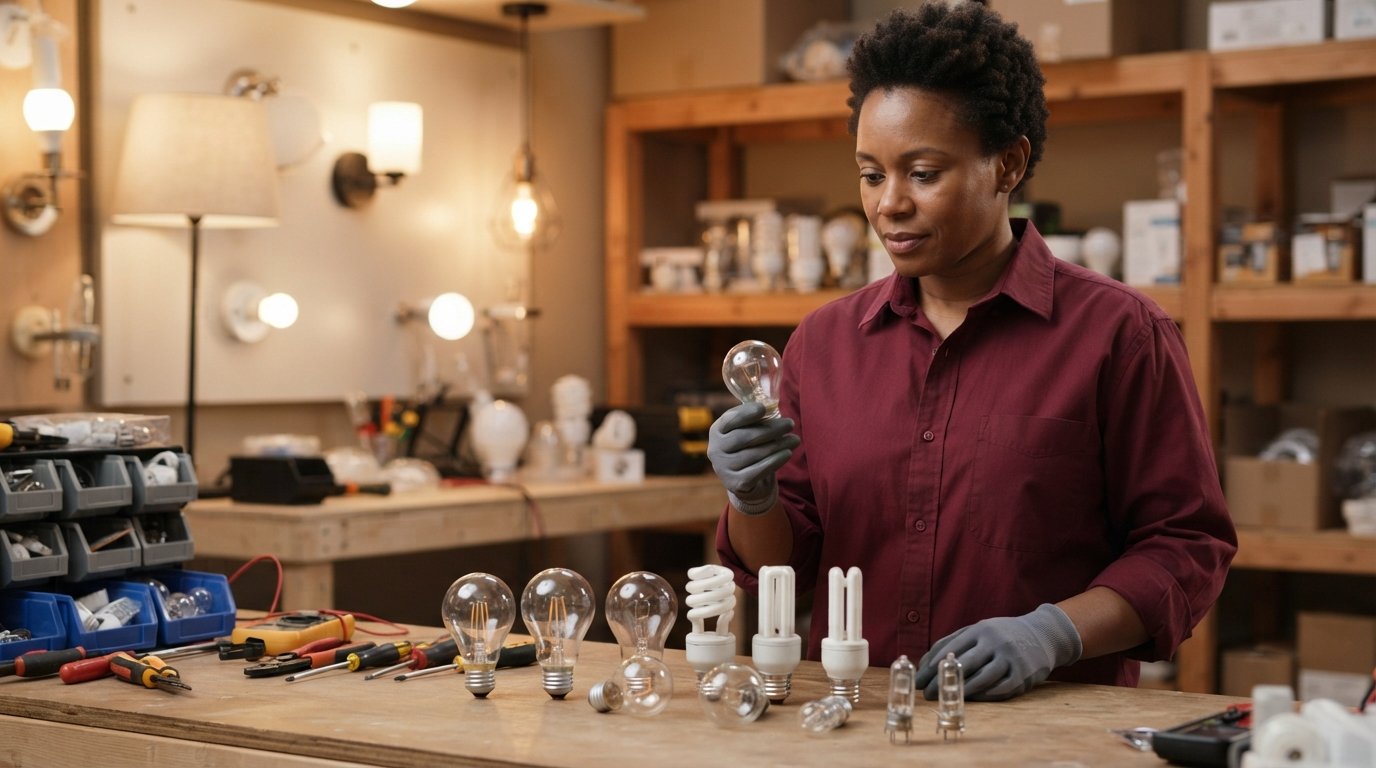
There are several non LED light bulb types, but four categories are particularly important.
1. Incandescent Light Bulbs
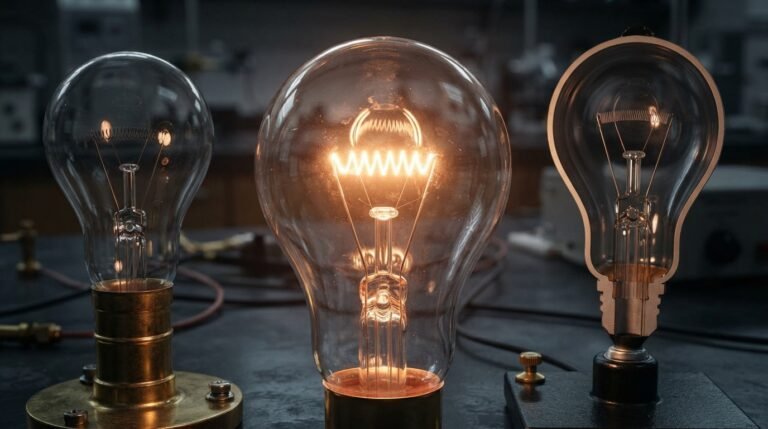
Incandescent bulbs use an electrically heated filament to produce light.
They are known for their:
- Warm light
- Excellent color rendering
- Instant illumination
- Smooth dimming
- Familiar appearance
However, much of the electricity consumed by an incandescent bulb becomes heat rather than visible light.
2. Halogen Light Bulbs
Halogen bulbs are a variation of incandescent lighting.
They use a tungsten filament surrounded by halogen gas, allowing the filament to operate at a higher temperature.
Halogen bulbs can provide:
- Bright light
- Good color rendering
- Instant-on performance
- Effective dimming
- Compact designs
They also become extremely hot during operation.
3. CFL Bulbs
Compact fluorescent lamps (CFLs) use fluorescent technology in a compact form.
They generally consume less electricity than traditional incandescent bulbs and can last considerably longer.
CFLs were once a common energy-saving alternative to incandescent lighting, although LEDs have become more common in many applications.
4. Fluorescent Bulbs and Tubes
Traditional fluorescent lighting is commonly found in:
- Offices
- Schools
- Workshops
- Garages
- Commercial buildings
- Utility areas
Fluorescent lamps are available in different lengths, shapes, wattages, and color temperatures.
Incandescent vs Non LED Bulbs
Incandescent bulbs are actually one type of non-LED bulb.
When someone searches for non LED light bulbs, they may specifically be looking for incandescent bulbs because of their warm appearance and traditional lighting characteristics.
Incandescent lighting is especially useful when accurate color rendering and smooth dimming are priorities.
Non LED Light Bulbs vs LED
The biggest differences between non-LED and LED lighting are related to energy consumption, lifespan, heat, and light characteristics.
| Feature | Incandescent | Halogen | CFL | LED |
|---|---|---|---|---|
| Energy efficiency | Low | Low–moderate | Moderate–high | High |
| Warm light | Excellent | Excellent | Varies | Varies |
| Instant-on | Yes | Yes | Depends on bulb | Yes |
| Dimming | Excellent | Excellent | Depends | Depends |
| Heat output | High | Very high | Lower | Generally lower |
| Lifespan | Short | Short–moderate | Moderate–long | Long |
| Mercury | No | No | Yes | No |
The best option depends on what you value most.
Why Choose Non LED Light Bulbs?
Despite the popularity of LEDs, there are reasons some people continue to choose non LED bulbs.
Warm, Traditional Light
Incandescent and halogen bulbs produce a familiar warm glow that many people prefer for residential spaces.
Excellent Color Rendering
Traditional incandescent lighting generally provides very good color rendering.
This can make:
- Furniture
- Artwork
- Skin tones
- Fabrics
- Decorative objects
appear natural.
Smooth Dimming
Incandescent and halogen bulbs are particularly well known for smooth dimming performance.
They can work naturally with many traditional dimmer systems.
Instant Illumination
Incandescent and halogen bulbs reach full brightness immediately after being switched on.
Specialty Applications
Some lighting applications require or benefit from specific non-LED technologies.
Disadvantages of Non LED Light Bulbs
Non-LED bulbs also have disadvantages.
Higher Energy Consumption
Traditional incandescent bulbs consume substantially more electricity than comparable LED bulbs.
Shorter Lifespan
Incandescent bulbs generally need replacement more frequently than LEDs.
Heat Production
Incandescent and halogen bulbs can become very hot.
This can be important when using them inside:
- Enclosed fixtures
- Small lamps
- Decorative fixtures
- Areas near heat-sensitive materials
Availability
Some traditional bulb types are becoming less common as energy-efficiency standards and consumer preferences change.
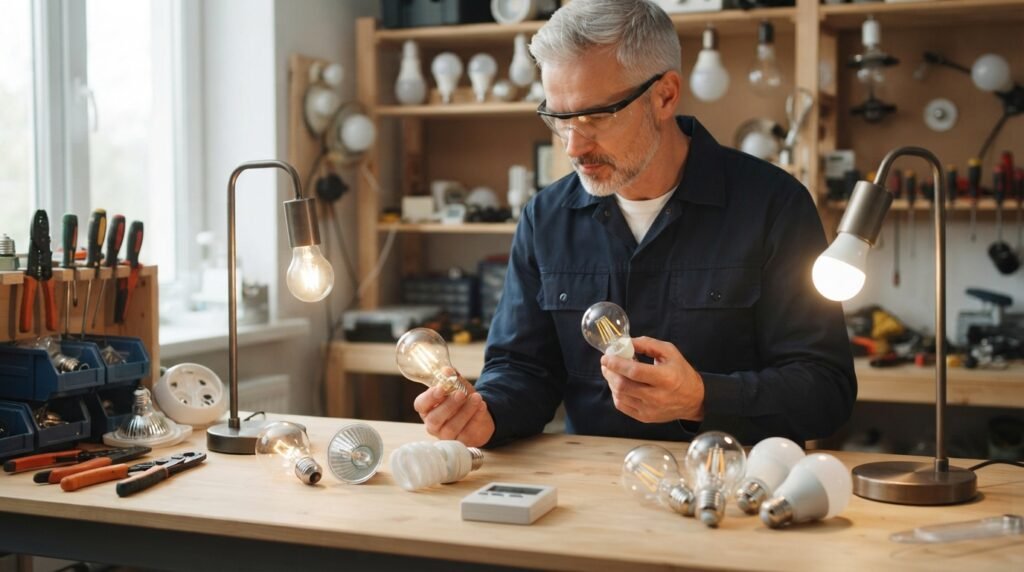
Are Non LED Light Bulbs Better Than LED?
There isn’t one answer for every situation.
LED bulbs are generally better for energy efficiency and long-term operating costs.
Non-LED bulbs may be preferable for specific lighting characteristics, particularly when someone wants traditional incandescent light, excellent color rendering, or simple dimming behavior.
The right choice depends on the application.
What Is the Warmest Non LED Light Bulb?
Traditional incandescent bulbs are known for producing warm-colored light.
Many standard incandescent bulbs have a color temperature around 2700K, although specialty bulbs can be warmer.
Lower Kelvin numbers generally indicate warmer-looking light.
For example:
- 2200K = Very warm
- 2700K = Warm
- 3000K = Warm/neutral
- 4000K = Neutral
- 5000K = Daylight appearance
The exact color temperature depends on the specific bulb.
Are Incandescent Bulbs Non LED?
Yes.
Incandescent bulbs are non-LED light bulbs.
They create light by heating a tungsten filament until it becomes hot enough to glow.
This is fundamentally different from LED technology, which produces light using semiconductor materials.
Are Halogen Bulbs Non LED?
Yes.
Halogen bulbs are non-LED bulbs.
They use an incandescent-style filament combined with halogen gas.
Halogen lighting can produce bright, crisp illumination while maintaining the familiar characteristics of incandescent technology.
Are CFL Bulbs Non LED?
Yes.
CFLs are also non-LED light bulbs.
They use fluorescent technology rather than LEDs.
However, CFLs contain a small amount of mercury, meaning they should be handled and disposed of appropriately.
Non LED Bulbs for Lamps
Traditional lamps can use several types of non-LED bulbs.
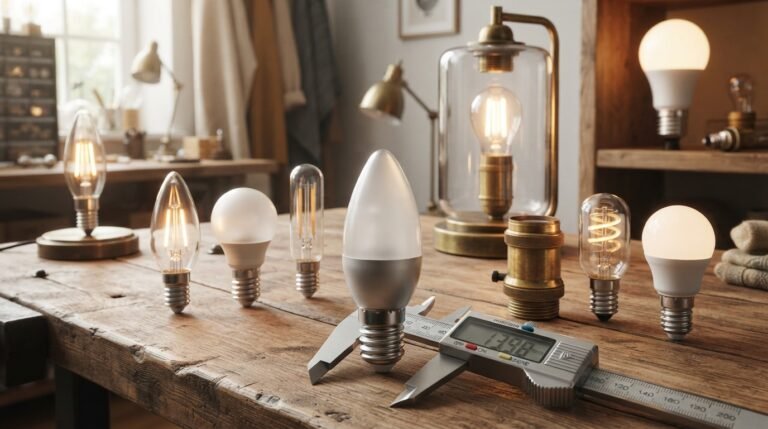
Before choosing one, check:
- Socket size
- Bulb shape
- Maximum wattage
- Voltage
- Shade clearance
- Dimming requirements
Common bases include:
- E26
- E27
- E12
- GU10
- Other specialty bases
The socket must match the bulb base.
Non LED Light Bulbs for Chandeliers
Decorative fixtures often use smaller bulbs such as:
- Candelabra bulbs
- Flame-tip bulbs
- Torpedo bulbs
- Globe bulbs
Incandescent and halogen versions can provide attractive warm illumination for decorative applications.
Always check the fixture’s wattage and bulb-size requirements.
Non LED Bulbs for Ceiling Fans
Ceiling fans may use compact bulbs because the light kit has limited space.
When choosing a non LED bulb for a ceiling fan, check:
- Base type
- Maximum wattage
- Bulb dimensions
- Fixture temperature limitations
- Dimmability
Do not exceed the fixture’s specified maximum wattage.
Non LED Bulbs for Recessed Lighting
Recessed fixtures may use reflector-style lamps.
Examples include:
- BR bulbs
- PAR bulbs
- MR bulbs
- Other reflector lamps
The correct bulb depends on the socket, housing, diameter, and desired beam pattern.
Non LED Light Bulbs for Outdoor Use
Traditional bulbs can also be used outdoors when they are specifically rated for the intended environment.
Look for the appropriate:
- Damp-location rating
- Wet-location rating
- Outdoor suitability
- Voltage
- Fixture compatibility
Never assume that a bulb is outdoor-safe simply because it physically fits the fixture.
Non LED Light Bulbs for Vintage Fixtures
Incandescent bulbs can be especially suitable for vintage-inspired lighting.
They can complement:
- Antique lamps
- Edison-style fixtures
- Decorative chandeliers
- Vintage interiors
- Restoration projects
Specialty filament bulbs can provide an authentic traditional appearance.
Non LED Bulbs for Photography
Some photography and studio applications use specialized non-LED lighting.
Depending on the equipment, photographers may use:
- Tungsten bulbs
- Halogen lamps
- Fluorescent lighting
Tungsten lighting is particularly associated with warm color temperatures and continuous illumination.
Photographers should always match the lamp specifications to the equipment.
What Wattage Non LED Bulb Should You Use?
The correct wattage depends on the fixture and desired brightness.
Always check the fixture’s maximum wattage before installing an incandescent or halogen bulb.
For example, if a fixture is rated for a maximum of 60W, you should not install a 100W incandescent bulb simply because it fits physically.
For brightness comparisons, consider lumens rather than wattage alone.
Watts vs Lumens
This distinction is important.
Watts measure energy consumption.
Lumens measure visible light output.
An incandescent bulb might use 60 watts to produce a certain amount of light, while a modern LED may produce similar brightness using substantially less electricity.
When comparing different bulb technologies, lumens provide a more meaningful measure of brightness.
What Are the Best Non LED Light Bulbs for Warm Light?
If you want warm, traditional illumination, incandescent bulbs are a popular choice.
Halogen bulbs can also provide warm-looking light, although their appearance can vary by product.
For decorative lighting, look for a lower color temperature when available.
Do Non LED Bulbs Work With Dimmer Switches?
Many incandescent and halogen bulbs work very well with traditional dimmers.
CFL compatibility varies.
When using a CFL, check whether it is specifically designed to be dimmable.
Always verify compatibility between the bulb, dimmer, and fixture.
Why Do Non LED Bulbs Get Hot?
Incandescent and halogen bulbs generate substantial heat as part of their operation.
An incandescent bulb converts only a portion of its electrical energy into visible light, with much of the remaining energy released as heat.
Halogen bulbs can operate at particularly high temperatures.
This is why you should avoid touching a hot bulb and keep combustible materials away from hot lamps.
How Long Do Non LED Light Bulbs Last?
Lifespan varies by technology and product.
Generally:
- Incandescent bulbs have relatively short lifespans.
- Halogen bulbs typically last longer than some traditional incandescent bulbs but remain shorter-lived than LEDs.
- CFLs generally last longer than incandescent bulbs.
- LEDs usually provide the longest operating life among common household technologies.
Actual lifespan depends on the specific product and operating conditions.
Are Non LED Light Bulbs Energy Efficient?
Some non-LED technologies are more efficient than traditional incandescent bulbs.
For example, CFLs generally use less energy than incandescent bulbs for comparable light output.
However, LEDs are typically the most energy-efficient option among common household light sources.
If minimizing electricity consumption is your primary objective, LED lighting is usually the better choice.
Are Non LED Bulbs Being Phased Out?
Availability and energy-efficiency requirements vary by country and region.
Certain traditional incandescent and other inefficient bulbs have faced restrictions or reduced availability in different markets.
This means the exact bulbs available for purchase can depend on where you live.
Always check current local requirements before purchasing or replacing a large quantity of traditional bulbs.
How to Choose the Right Non LED Light Bulb
Before purchasing a non LED light bulb, check these specifications:
1. Bulb Shape
Make sure the bulb physically fits inside the fixture.
2. Base
Match the bulb’s base to the socket.
3. Voltage
Use the correct voltage for your electrical system.
4. Wattage
Never exceed the fixture’s maximum rated wattage.
5. Brightness
Compare lumens when available.
6. Color Temperature
Choose warm, neutral, or cool lighting based on the application.
7. Dimming
Confirm that the bulb works with your dimmer.
8. Fixture Rating
Check whether the bulb is suitable for enclosed, damp, wet, or outdoor fixtures.
Frequently Asked Questions
1. What are non LED light bulbs?
Non LED light bulbs are lighting products that don’t use LED technology. Common examples include incandescent, halogen, CFL, and fluorescent bulbs.
2. What is the best alternative to LED bulbs?
The best alternative depends on your needs. Incandescent bulbs are popular for warm light and smooth dimming, while CFLs can provide greater energy efficiency than traditional incandescent bulbs.
3. Are incandescent bulbs non LED?
Yes. Incandescent bulbs are one of the most common types of non-LED lighting.
4. Are halogen bulbs LED?
No. Halogen bulbs use a heated filament and halogen gas rather than LED technology.
5. Are CFL bulbs LED?
No. CFLs use fluorescent technology and are not LEDs.
6. Do non LED bulbs use more electricity?
Many non-LED bulbs, particularly incandescent and halogen lamps, use more electricity than comparable LEDs. CFLs generally use less electricity than incandescent bulbs.
7. Which non LED bulb gives the warmest light?
Incandescent bulbs are well known for their warm, traditional appearance. Specialty bulbs may provide even warmer color temperatures.
8. Can I use non LED bulbs in an LED fixture?
It depends on the fixture. Check the manufacturer’s specifications before replacing one lighting technology with another.
9. Can non LED bulbs be dimmed?
Incandescent and halogen bulbs generally dim very well. CFLs require a compatible dimmable model, while compatibility varies among products.
10. Why do incandescent bulbs get hot?
Incandescent bulbs generate light by heating a filament, and a substantial amount of their electrical energy becomes heat.
11. Are non LED bulbs safe?
When used correctly in a compatible fixture and within its specified voltage and wattage limits, non-LED bulbs can be used safely. Always follow the manufacturer’s instructions.
12. How do I dispose of CFL bulbs?
CFLs contain mercury and should not be treated exactly like ordinary household waste everywhere. Follow your local recycling or hazardous-waste disposal requirements.
Final Thoughts
Non LED light bulbs include several established lighting technologies, particularly incandescent, halogen, CFL, and fluorescent bulbs. Although LEDs have become the preferred choice for many applications because of their energy efficiency and long lifespan, non-LED lighting still has advantages in specific situations.
If you want warm traditional light, excellent color rendering, instant illumination, or smooth dimming, incandescent and halogen bulbs can be attractive options. CFLs can offer better energy efficiency than incandescent lighting, although they have different characteristics and disposal considerations. Before buying any non LED light bulb, always check the bulb shape, socket/base, voltage, wattage, lumens, color temperature, dimming compatibility, and fixture rating. Choosing the bulb based on these specifications will help ensure proper fit, safe operation, and the lighting appearance you want.
Related Post
- T12 Bulbs – Complete Guide to Sizes, Wattage, Types, Replacement, and Compatibility!
- Tanning Bed Bulbs – Complete Guide to Types, Wattage, Replacement, and Safety!
- Tungsten Bulb Vs Led – Which Light Bulb Is Better?
About the Author